

Can you charge an electric vehicle at the home you want to buy? Check your charging needs, have a qualified electrician assess the proposed setup, confirm parking and installation permissions, and identify the applicable permit process. A garage outlet or an “EV-ready” description is a starting point, not a property-specific electrical assessment.
The U.S. Department of Energy’s Alternative Fuels Data Center says electricians can determine whether a home has adequate electrical capacity for vehicle charging. DOE home-charging guidance. Our buyer framework turns that assessment into a concrete due-diligence question before you depend on home charging after possession.
Start with your vehicle and daily routine
Write down your usual driving, where the vehicle will park and when it will be available to charge. DOE recommends starting with daily driving needs and considering charging at home or near work. DOE consumer planning guidance. Give that information to the electrician rather than requesting a particular installation without explaining how you will use it.
DOE lists home Level 1 charging as requiring a 120-volt outlet and Level 2 as requiring a 240-volt outlet or available service. Home charging options. Those categories describe electrical arrangements, not a promise about how quickly your particular vehicle will charge.
Some drivers can meet their daily needs with overnight Level 1 charging when a suitable outlet on a dedicated branch circuit is near the parking location, according to DOE. Level 1 conditions. Ask the vehicle manufacturer about equipment compatibility rather than assuming a seller’s connector or charger fits your vehicle. Manufacturer compatibility guidance.
Separate a visible feature from evidence that it works for you
During a showing, record what is actually present without opening electrical equipment. If the listing says “EV-ready,” ask the seller or builder to identify the included components and provide the relevant specifications. Do not translate the phrase into an assumed completed charger installation.
| What you see or receive | What to ask next | What it does not establish alone |
|---|---|---|
| An outlet near the parking space | Can an electrician verify its suitability for the intended charging device? | That the circuit and wiring suit the proposed use |
| A charger already on the wall | What equipment is installed, does it stay, and what installation records exist? | Compatibility with your vehicle or the current installation’s condition |
| An “EV-ready” specification | Which circuit, conduit, outlet or equipment is actually included? | A complete, usable setup for your needs |
| A permit record | What scope does it cover, and is the required final inspection recorded? | A current capacity assessment for a different proposed charging setup |
This is our document-comparison framework, not an electrical inspection. Keep the equipment description, professional assessment and permit record as separate evidence instead of treating one as a substitute for the others.
Ask an electrician to evaluate the proposed installation
DOE notes that some homes have insufficient electrical capacity for Level 2 equipment and directs homeowners to a qualified electrician. Electrical-capacity assessment. Ask for a written scope covering the proposed equipment, circuit, connection method and any needed work. Do not infer available capacity from unused breaker positions or a panel photograph.
The U.S. Fire Administration recommends a qualified electrician for a new dedicated charging circuit or Level II device and warns that older wiring may not be suitable for EV supply equipment. USFA charging-safety guidance. Its instructions also say to plug Level I chargers directly into an outlet designed for the device’s amperage, never through an extension cord or multiplug adapter. Direct-connection safety rule.
For a hypothetical home whose only convenient outlet is across the garage from the intended parking position, the next step is an electrician’s assessment of a suitable arrangement, not an extension cord across the floor. Ask for the installation assumptions in writing before using a preliminary estimate in your purchase budget.
Confirm the parking location and applicable approvals
Identify where you are entitled to park and what permission is needed to install equipment or route a cable there. For shared or assigned parking, ask the owner or association for the applicable documents and written process. This guide does not assert a particular HOA or condominium installation right.
DOE says multifamily charging requires additional considerations and may resemble public charging more than a single-family installation. Multifamily distinction. For an outdoor setup, DOE specifies outdoor-rated equipment; USFA also directs owners to follow the manufacturer’s guidance for wet conditions. Outdoor-equipment guidance; Wet-condition precautions.
Confirm the permitting authority for the exact address. If Orange County is handling the electrical permit, its Building Safety guidance requires a permit for electrical construction, wiring installations and changes to existing wiring systems. County electrical-work requirements. Its electrical-permit page directs applications through Fast Track. County application route. This is not a claim that every property with an Orange County mailing address uses the county process.
The county says required inspections are the customer’s responsibility and a final inspection is required to close out a permit. County permit-closeout guidance. For an existing installation, ask for records of the actual work rather than assuming that an issued permit proves completion.
Frequently Asked Questions
Does an “EV-ready” home necessarily include a charger?
Do not assume that from the phrase alone. Ask the seller or builder for the exact included components, then have the proposed setup assessed for your vehicle and needs.
Can I use an extension cord until I install a charger?
No. The U.S. Fire Administration says never to use an extension cord or multiplug adapter for Level I EV charging. USFA safety instructions. Have an electrician evaluate a suitable direct connection.
Does a charger in the garage replace an electrical assessment?
No. Identify the installed equipment and records, then ask a qualified electrician about your proposed use. DOE directs homeowners to electricians to determine adequate home charging capacity. DOE capacity guidance.
Bring the charging question into your home search
Tell our team early if home charging is essential. Through our MVP Home Group buyer services, we can help organize the property questions and requested records while the appropriate professionals evaluate technical feasibility and permissions.
Nelson Cruz, P.A.
Founder & CEO
MVP Home Group, Real Broker LLC
Nelson brings nearly two decades in law enforcement to his work in real estate. View Nelson’s profile or contact our team at 407-901-9939 or [email protected].
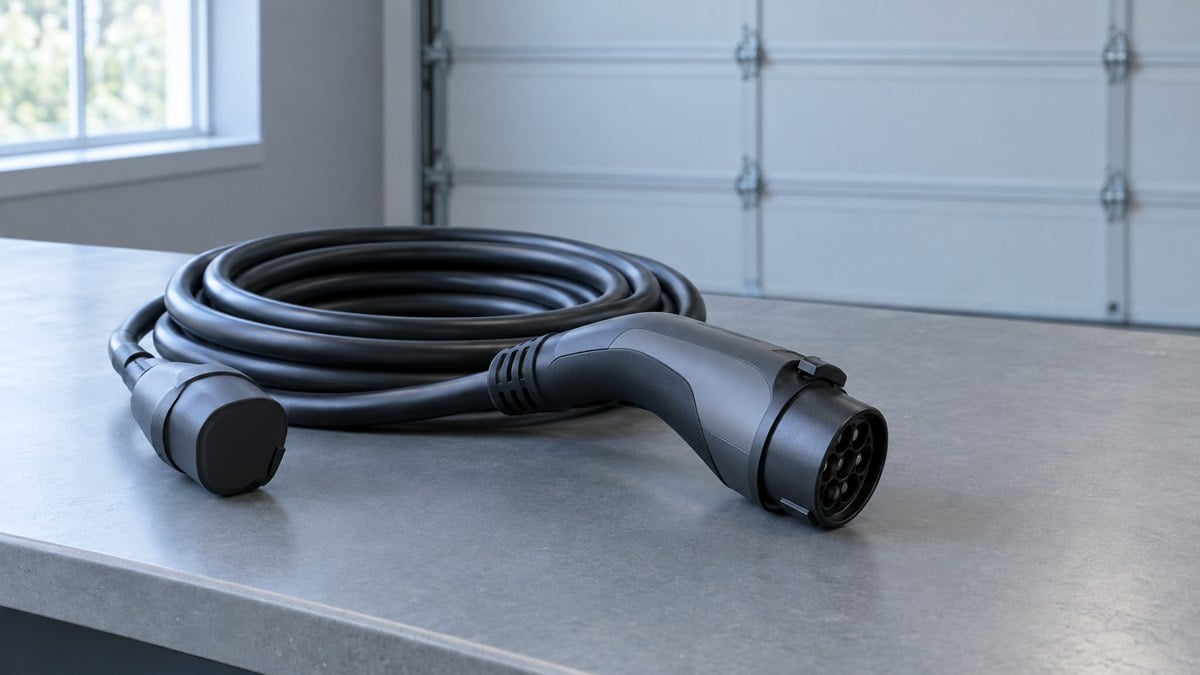
Featured image: AI-generated editorial illustration of unbranded charging equipment, not a specific property, product recommendation or evidence of a safe installation.