

Does a septic pump-out receipt replace a buyer’s inspection? No. Read what the service actually covered, then obtain a system inspection that addresses the tank, drainfield and other applicable components.
If a Florida home uses septic, ask for the complete service report rather than stopping at a paid receipt. Your buying decision needs information about how the system was evaluated, what was observed and what remains unknown.
The EPA’s homebuyer’s guide recommends having a septic system inspected by a septic service provider before purchasing the home. EPA homebuyer’s guide. Our checklist helps you turn that recommendation into a defined inspection request instead of assuming that pumping, permitting and condition review are the same service.
Find out what the pump-out report actually says
EPA maintenance guidance describes a professional inspection as checking for leaks and examining the tank’s scum and sludge layers. EPA inspection guidance. It also says the service provider should record completed repairs and the tank’s condition in the system service report. EPA service-report guidance.
A receipt marked “pumped” should therefore prompt a document question, not an automatic pass or fail: is there a fuller report describing what the provider observed? Ask the seller for the invoice, accompanying report and any recommendations. Compare the service address and date with the property you are buying, and identify exactly which components the report discusses.
Do not assume a recent service visit included a complete buyer inspection. Equally, do not dismiss useful condition findings simply because the visit also included pumping. The scope and written observations matter more than the document’s short label.
Ask for an inspection beyond the tank
The EPA’s inspection FAQ lists review of permit, design and installation records; pumping and maintenance records; tanks and the distribution box; pumps and electrical components where present; and the drainfield. EPA typical inspection components. It describes camera checks and excavation as possible methods, not universal steps in every inspection. EPA inspection-method qualifications.
Request a written scope from the septic service provider. Ask which components will be opened or observed, how the drainfield will be evaluated, what records are needed and what conditions could limit the inspection. Coordinate access and any pumping with that provider rather than deciding the sequence yourself.
For a system with pumps or controls, ask how those components will be checked and whether a separate maintenance report is available. EPA includes electrical connections, pumps, controls and wiring in its typical inspection discussion. EPA mechanical-component review. If the provider’s proposal excludes part of the system, record that exclusion before comparing prices or treating the job as complete.
Keep the evidence in separate columns
| Document or service | Question it helps answer | Follow-up to request |
|---|---|---|
| Pumping invoice and service report | What maintenance was performed, and what condition was documented during that visit? | Full report, repair notes and recommended follow-up |
| Permit, design and installation records | What is documented about the installed system? | Available plans, approvals and clarification of missing or unmatched records |
| Buyer condition inspection | What did the provider inspect and observe now? | Component findings, photographs where supplied, limitations and unresolved concerns |
| Permitting or site evaluation | What does the relevant office need for the proposed permitted work? | Current application instructions for the actual project |
This is our document-organizing framework, not a government certification form. Use it to identify whether your file contains a documented answer or simply a reference to another service that still needs to be arranged.
Separate Florida permitting from purchase due diligence
Florida DEP’s permitting FAQ describes a site evaluation as assessing soil, topography and other property conditions for onsite sewage-system suitability. DEP site-evaluation explanation. Its forms page lists the June 2026 DEP 4015 construction-permit application, including a site-evaluation page and an existing-system/system-repair evaluation page. DEP current construction and repair forms.
Those titles identify a permitting context. Do not call a permit application, an old site evaluation or a pump-out receipt a complete current condition inspection without reviewing what it actually contains. If you plan an addition or another change involving the existing system, describe that proposal separately to the permitting office rather than assuming the purchase inspection settles it.
As reviewed October 24, 2026, DEP’s permitting FAQ lists Lake and Orange among counties using their local county health department’s Environmental Public Health Program for permitting. DEP county-specific permitting route. Use the current route for the property’s county when asking which records or application instructions apply; do not reuse another county’s packet solely because its title looks similar.
Turn warning signs into a specific follow-up
EPA lists sewage backups, slow drains, sewage odors and standing water or damp spots near the tank or drainfield among signs of a potentially failing system. EPA signs of failure. Ask the septic professional to evaluate an observed concern rather than diagnosing the system from a listing photo or a brief walk-through.
For a hypothetical home with a recent pumping receipt but no drainfield discussion, our next step would be to request the full service report and a scope that addresses the missing component. That is a planning example, not an actual client result. If access or conditions prevent an answer, label the result limited and ask what further work would be needed.
- Collect: Request available pumping, repair, maintenance, permit and installation records.
- Define: Get the inspection scope and applicable components in writing.
- Compare: Match the report’s completed work against the promised scope.
- Resolve: Obtain a specific explanation or specialist follow-up for missing findings and concerns.
- Decide: Consider unresolved condition or planned-use questions before relying on the system in your purchase decision.
Frequently Asked Questions
Is a recently pumped septic tank enough evidence to proceed?
Not by itself. Review the accompanying report and arrange the system inspection recommended by EPA before buying, including the relevant components and any limitations. EPA buyer guidance.
Should the drainfield be part of the inspection conversation?
Yes. EPA includes evaluating the drainfield for signs of failure in its typical inspection description; ask the provider how that will be addressed and what could limit the assessment. EPA drainfield review.
Does a permit-file evaluation answer every condition question?
Do not assume it does. Compare the document’s purpose and contents with the current buyer-inspection scope, then identify any missing condition findings or separate proposed-work questions.
Make septic review part of your buying plan
Tell our team when a property uses septic and share the reports available to you. Through our MVP Home Group buyer services, we can help organize the questions for the septic provider and permitting office without treating maintenance paperwork as a substitute for the review you need.
Nelson Cruz, P.A.
Founder & CEO
MVP Home Group, Real Broker LLC
Nelson brings nearly two decades in law enforcement to his work in real estate. View Nelson’s profile or contact our team at 407-901-9939 or [email protected].
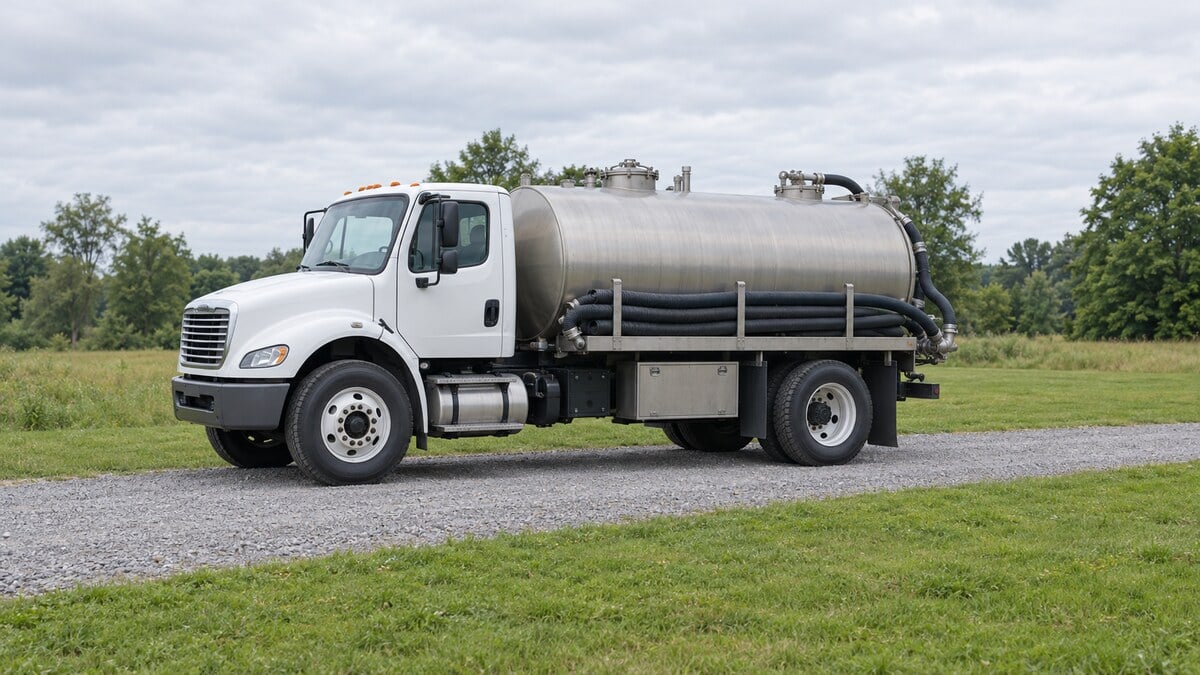
Featured image: AI-generated editorial illustration, not a photograph of a named service company, property or actual inspection.